
Choosing the right eavestrough size is an important part of protecting your home from rainwater. While 5-inch and 6-inch eavestroughs are common choices for residential properties, the right option depends on more than the width of the gutter.
Your roof size, roof pitch, drainage layout, downspout placement, and local weather conditions can all affect how much water your system needs to handle.
For homeowners in Windsor and surrounding communities, understanding these factors can help you avoid overflowing gutters and drainage problems. A-Z Seamless Gutters can also assess your home’s layout and recommend an eavestrough system suited to its needs.
What Are the Most Common Eavestrough Sizes?
Most residential eavestrough systems fall into two common sizes: 5-inch and 6-inch.
5-Inch Eavestroughs
A 5-inch eavestrough is a common choice for many residential homes. It can work well where the roof area and drainage requirements are within the system’s capacity.
However, the fact that 5-inch eavestroughs are common does not mean they are suitable for every property. Roof size, pitch, downspout configuration, and the amount of water directed into each section should all be considered.
6-Inch Eavestroughs
A 6-inch eavestrough provides greater water-handling capacity than a standard 5-inch system. It may be considered for homes with larger roof areas, steeper roof sections, or drainage layouts that direct significant amounts of water toward particular sections.
A larger gutter is not automatically the better choice. The entire system, including the downspouts and drainage outlets, needs to work together.
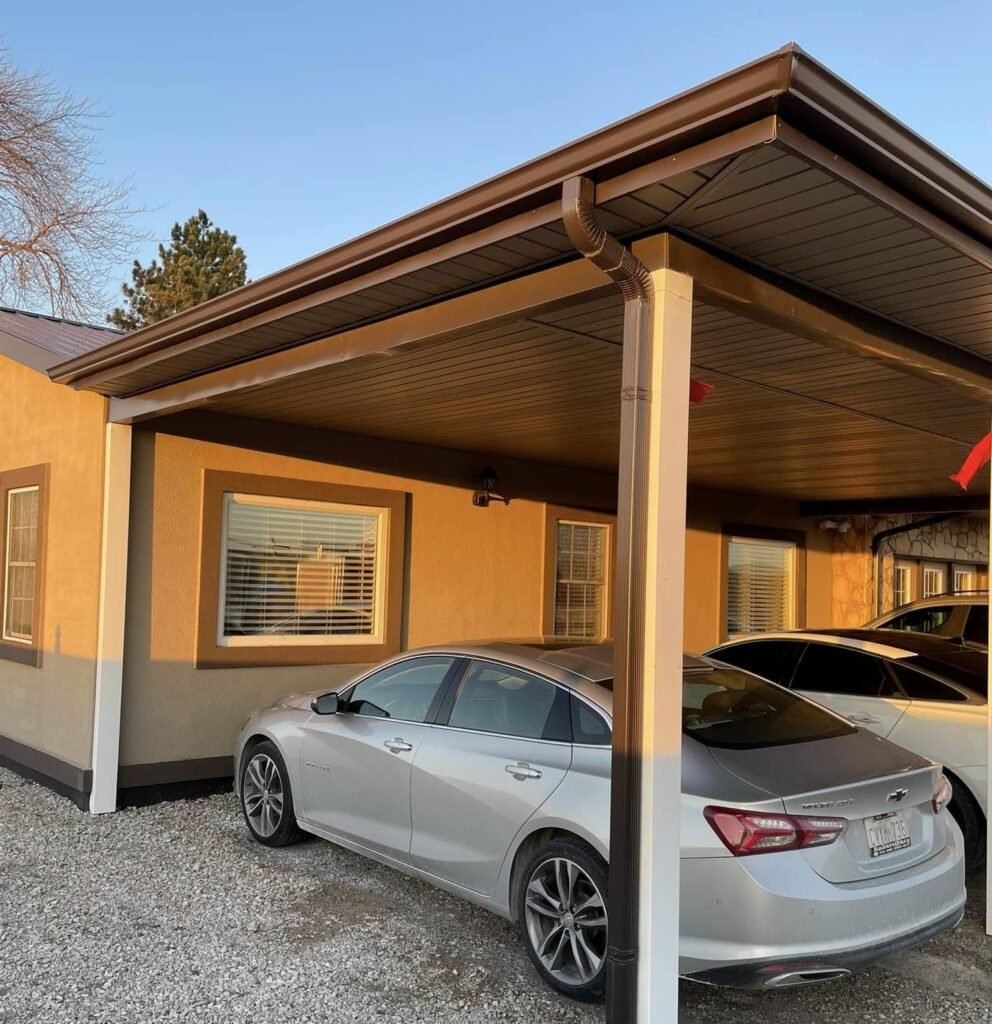
What Size Eavestrough Do I Need?
So, what size eavestrough do I need? The answer depends on your home’s roof and drainage requirements.
Many homes can use 5-inch eavestroughs, while some properties may benefit from 6-inch eavestroughs. The decision should take into account:
- Roof area
- Roof pitch
- Size and layout of roof sections
- Number and location of downspouts
- Amount of water entering each gutter section
- Existing drainage problems
Rather than choosing a size based solely on what is most common, it’s better to look at how water moves across your specific roof.
What Determines the Right Eavestrough Size?
Roof Size and Drainage Area
The larger the roof area draining into a gutter, the more rainwater that system needs to manage.
A home may also have several roof sections that direct water toward the same eavestrough. In these situations, looking at the total drainage area is important when determining the appropriate gutter and downspout configuration.
Roof Pitch
Roof pitch can also affect how quickly water reaches the eavestrough.
A steep roof can direct water into the gutter more quickly than a low-slope roof. This is one reason gutter sizing should be considered alongside the overall roof design rather than as a standalone measurement.
Downspout Size and Placement
Eavestroughs and downspouts work as one drainage system.
Even if the gutter itself has adequate capacity, poorly positioned or insufficient downspouts can contribute to water backing up or overflowing. Larger roof areas may require careful planning of downspout locations to move water away from the home effectively.
Windsor’s Weather Conditions
Windsor-area homes experience changing weather throughout the year, including periods of significant rainfall and freezing conditions.
That makes effective rainwater management especially important. Proper gutter sizing, slope, outlets, downspouts, and regular maintenance all contribute to a system that can handle water effectively.
5-Inch vs. 6-Inch Eavestrough: Which Should You Choose?
The right choice depends on the property rather than simply selecting the larger option.
| Factor | 5-Inch Eavestrough | 6-Inch Eavestrough |
| Typical application | Many standard homes | Larger or higher-demand drainage areas |
| Water capacity | Standard | Higher |
| Roof area | Small to moderate drainage areas | Larger drainage areas |
| Installation | Common residential option | May require different outlets and configuration |
| Best choice | Depends on the home’s drainage needs | Depends on the home’s drainage needs |
If you’re comparing 5-inch vs. 6-inch eavestroughs, consider the entire drainage system rather than the gutter size alone.
Can 5-Inch Eavestroughs Handle Heavy Rain?
They can handle significant rainfall when the system is appropriately designed for the home’s roof and drainage requirements.
However, gutter performance depends on several factors, including roof area, roof pitch, downspout capacity, gutter slope, and drainage layout.
If your existing 5-inch gutters overflow during heavy rain, don’t immediately assume that you need 6-inch gutters. Blockages, poor slope, damaged sections, insufficient downspouts, or other drainage issues could also be responsible.
When Should You Consider 6-Inch Eavestroughs?
A 6-inch system may be worth considering when a property has higher drainage demands.
This can include:
- Large roof areas
- Steeper roof sections
- Multiple roof sections draining into one area
- Areas where substantial water collects during rainfall
- Existing systems that struggle with water volume
An assessment is useful before replacing a system because gutter overflow does not always mean the gutters are simply too small.
What Happens If Your Eavestroughs Are Too Small?
If an eavestrough system cannot effectively manage the water reaching it, rainwater may overflow over the front or sides of the gutter.
Over time, poor water management can contribute to:
- Water pooling around the foundation
- Soil erosion
- Water reaching siding and exterior walls
- Increased ice buildup during freezing weather
- Damage to landscaping
- Recurring drainage problems
Properly sized gutters are only one part of the solution. Good slope, secure installation, suitable downspouts, and proper drainage away from the property are also important.
How Do I Know If My Current Eavestroughs Are the Right Size?
Start by looking at how your system performs during rainfall.
Ask yourself:
- Do the gutters overflow during heavier rain?
- Does water collect around the foundation?
- Are the gutters sagging or pulling away from the fascia?
- Are downspouts positioned effectively?
- Do gutters frequently become blocked?
- Are certain sections consistently overflowing?
These signs can indicate a drainage problem, but they do not necessarily mean the gutter itself is undersized.
A professional inspection can help identify whether the issue is related to gutter size, slope, downspouts, blockages, installation, or another part of the drainage system.
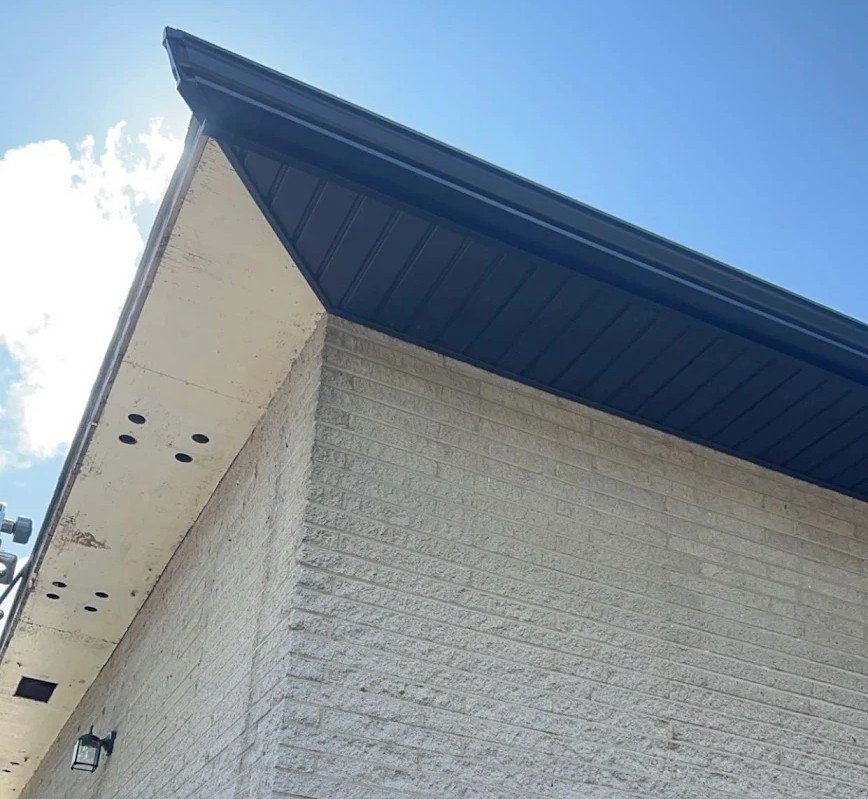
Should I Choose Seamless Eavestroughs for My Windsor Home?
For homeowners replacing or installing a new system, seamless eavestroughs are another option to consider.
Unlike sectional systems, seamless eavestroughs are typically fabricated to the required length, reducing the number of joints along the run. A custom-fitted system can also be planned around the home’s roofline, corners, outlets, and downspout locations.
A-Z Seamless Gutters provides custom seamless eavestrough installation for homeowners throughout Windsor and surrounding communities, with multiple colour options available to complement the home’s exterior.
Frequently Asked Questions About Eavestrough Sizes
What is the standard size of a residential eavestrough?
A 5-inch eavestrough is a common residential size. However, the appropriate size depends on the property’s roof and drainage requirements.
Is 5-inch or 6-inch eavestrough better?
Neither size is automatically better for every home. A 5-inch system may suit many properties, while a 6-inch system may be appropriate where greater drainage capacity is required.
Are 6-inch eavestroughs worth it?
They can be useful for homes with larger or more demanding drainage areas. The best way to determine whether you need them is to assess your roof and drainage layout.
How do I calculate what size eavestrough I need?
Gutter sizing involves considering roof area, roof pitch, rainfall, gutter layout, and downspout configuration. A professional assessment can help determine the appropriate system.
Do I need larger downspouts with 6-inch eavestroughs?
The gutter and downspout system should be designed to work together. A larger gutter does not solve drainage problems if the downspouts are inadequate or poorly positioned.
Get the Right Eavestrough Size for Your Windsor Home
Not sure whether your home needs 5-inch or 6-inch eavestroughs? A-Z Seamless Gutters can assess your property’s roofline and drainage requirements and provide a free on-site assessment and written quote.
Whether you’re building a new system, replacing old gutters, or dealing with recurring overflow, getting the right configuration can help manage rainwater more effectively.
A-Z Seamless Gutters
- Address: 319 Essex Rd 14, Staples, Ontario N8H 3V8, Canada
- Phone: (226) 961-3822
- Email: a.zseamlessgutter@gmail.com
- A-Z Seamless Gutters on Google Map
Serving homeowners in Windsor, Tecumseh, Leamington, Kingsville, Essex, Amherstburg, LaSalle, Belle River, Lakeshore, Harrow, Colchester, and surrounding areas.